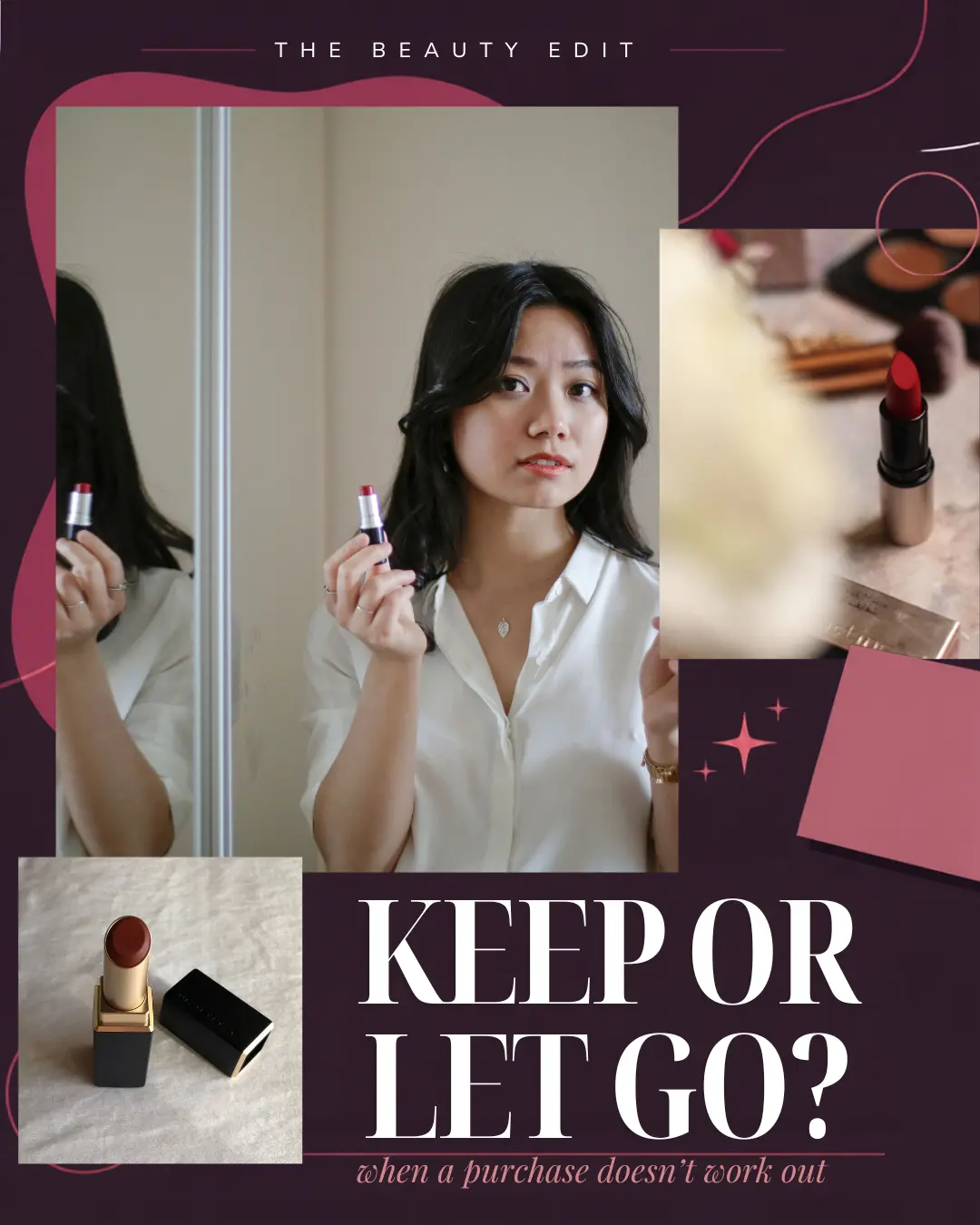
There’s a lipstick in your drawer that seemed like such a good idea when you bought it. Maybe the shade looked gorgeous in the store. Maybe an online swatch made it look like the color you’d been searching for. Then you tried it at home and it was too bright, too drying, or just nothing like you’d imagined.
You’ve barely touched it since. Still, you haven’t thrown it away.
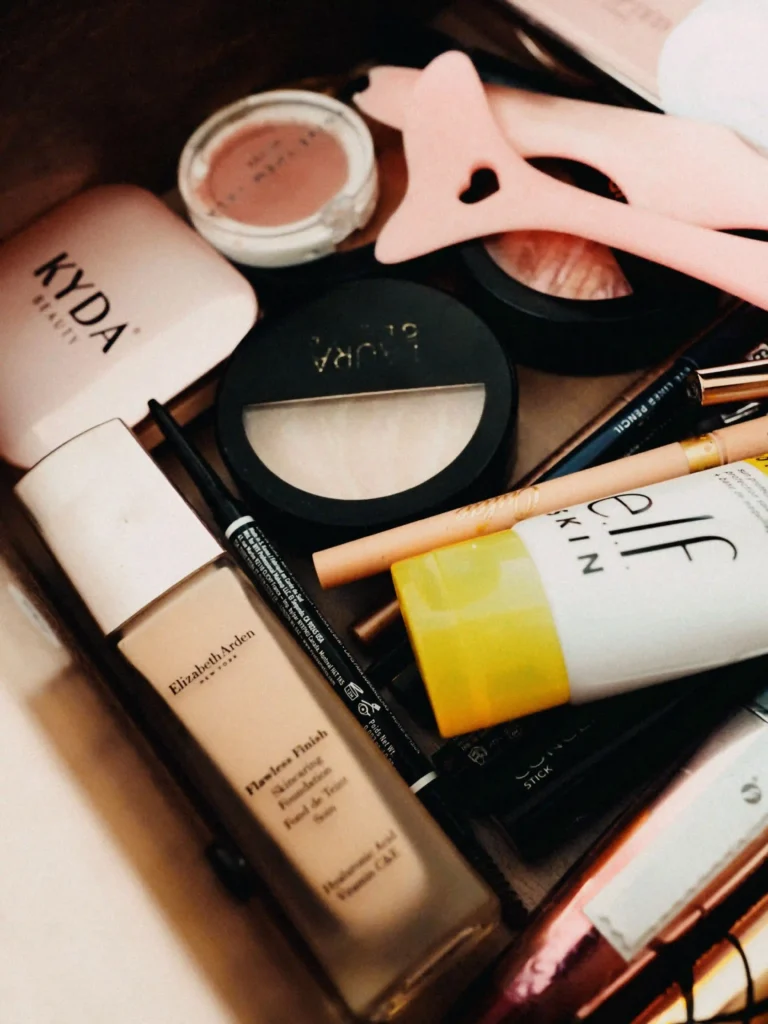
It’s almost full, for one thing. And every time you pick it up, you remember what it cost. So it goes back in the drawer, along with the foundation that never quite matched and the eyeshadow palette you were convinced you’d use all the time.
The products aren’t doing much. But getting rid of them can feel like admitting you wasted the money, and that’s the part that stings.
The Money Is Already Spent. The Next Decision Isn’t.
Beauty products you regret buying have a way of getting far more second chances when they were expensive. You try a different brush, change how much you apply, watch another tutorial. Sometimes that works. Other times you’re doing all this work for a product you didn’t particularly like the first time.
Take blush. You have one that costs more and takes ages to blend. There’s also a cheaper one that looks great in thirty seconds. But you keep choosing the expensive one because leaving it untouched feels wasteful. Halfway through getting ready, you’re annoyed with your makeup, and you haven’t even left the house.
It would be lovely if finishing the compact somehow refunded the purchase. Unfortunately, that’s not how blush works.
Maybe the right brush is already in your makeup bag. Worth trying, on a day when you’re not rushing. But you shouldn’t need a whole new routine for one blush.
That colorful palette was a good idea when you imagined wearing bright eyeshadow to work. These days, most mornings are mascara and out the door. The heavy foundation belonged to a time when full coverage was your thing. You weren’t being ridiculous when you bought them. Your routine changing doesn’t make every old purchase a mistake.
First, Check Whether It’s Something You Should Still Use
Before any experiments, though, look at how old the product is. A foundation that’s the wrong shade is one problem. Mascara that’s been open for ages is another.
The FDA’s guidance on cosmetic shelf life explains that a product’s usable life depends on its formula, storage and handling. Eye makeup deserves particular care, and adding water to dried-out mascara isn’t a good idea.
You might also see a little open-jar symbol with 6M or 12M on the packaging. That’s the recommended period after opening, not a promise that everything will be fine until the last day. Not all products have one. An odd smell, a change in texture or a strange-looking formula should make you cautious, and a product looking normal doesn’t prove it’s safe.
Skin irritation isn’t something to work around, either. If a serum makes your skin red, itchy or swollen, stop using it. The American Academy of Dermatology’s advice on testing skincare products covers how to try a new product on a small area and what to do if your skin reacts. Moving the offending serum from your face to your neck doesn’t magically make it a better product.
What Can You Actually Do With It?
First, see whether you can return it. Really. If you bought it recently, check the receipt and the shop’s policy before spending another penny trying to save it. Some retailers accept gently used beauty items, others don’t, and the rules vary by country. An exchange might be possible even when a refund isn’t.
That lipstick, for example. If it’s still safe and you like how it feels but the shade is a little loud, try a lighter layer and blot it once. You might find you like it that way. Or you’ll look in the mirror and think, no, still not for me. Fair enough. You can stop there.

Foundation’s trickier. When it feels too heavy, try a thinner layer on one side of your face. You may only have been applying too much. And when your base turns patchy halfway through the day, the formula isn’t always the culprit. Our article on why makeup looks dry and patchy walks through a few other things to check.
But if the shade is wrong, the texture feels uncomfortable and you’ve disliked it every time you’ve worn it, you probably don’t need to buy another primer or brush. At some point, fixing a purchase becomes a second shopping trip. And even if you finally get it looking decent, you might still not want to wear it.
Of course, that red lipstick you save for weddings is another story. Maybe you love it; you just don’t have many reasons to wear it. The palette someone gave you could matter for reasons that have nothing to do with makeup. Keep it for the memory if you want. You don’t have to put an old formula on your skin to appreciate the gift.
Giving makeup away is a little more complicated than handing over a sweater. Stick to unopened, unused products, and make sure the person or organization actually accepts them. Donation programs may have expiry-date rules too. Used makeup shouldn’t be passed on to someone else.
Anything that can’t safely be reused needs to be disposed of according to local rules. An empty container might be recyclable; a half-full one might not be. It’s worth checking rather than tossing everything into the recycling bin and hoping for the best.
Sometimes there isn’t a good way to pass something along, even when there’s barely anything missing from the bottle. It’s annoying.
Before the Next Beauty Purchase, Remember This One
The next time a foundation looks perfect under shop lighting, remember the one at home that turned out completely different. If there’s a hygienic tester, see how the shade looks in natural light. If you hated how a matte formula felt on your skin, a hundred glowing reviews from matte-makeup lovers probably won’t change your mind.

Three similar lip colors for the price of two can sound brilliant until you get home and realize you already own something close to all three. The price looks different when none of them becomes your favorite.
And if you love the idea of a beauty routine more than the routine itself, that’s useful to notice. Maybe you really do want to try colorful eyeshadow. Start with one shade you’ll actually wear, rather than a whole palette for the imaginary mornings when you suddenly have twenty extra minutes.
You don’t have to announce a year-long no-buy challenge. The next time a sale tempts you, looking in your own makeup drawer first might be enough to change your mind.
As for the lipstick? You might try it again next weekend. Maybe one light layer actually looks lovely. Or you’ll put it on, catch yourself making the same face you made the first time, and reach for the lipstick you always wear instead.
This time, you might not bother putting the other one back in the drawer.