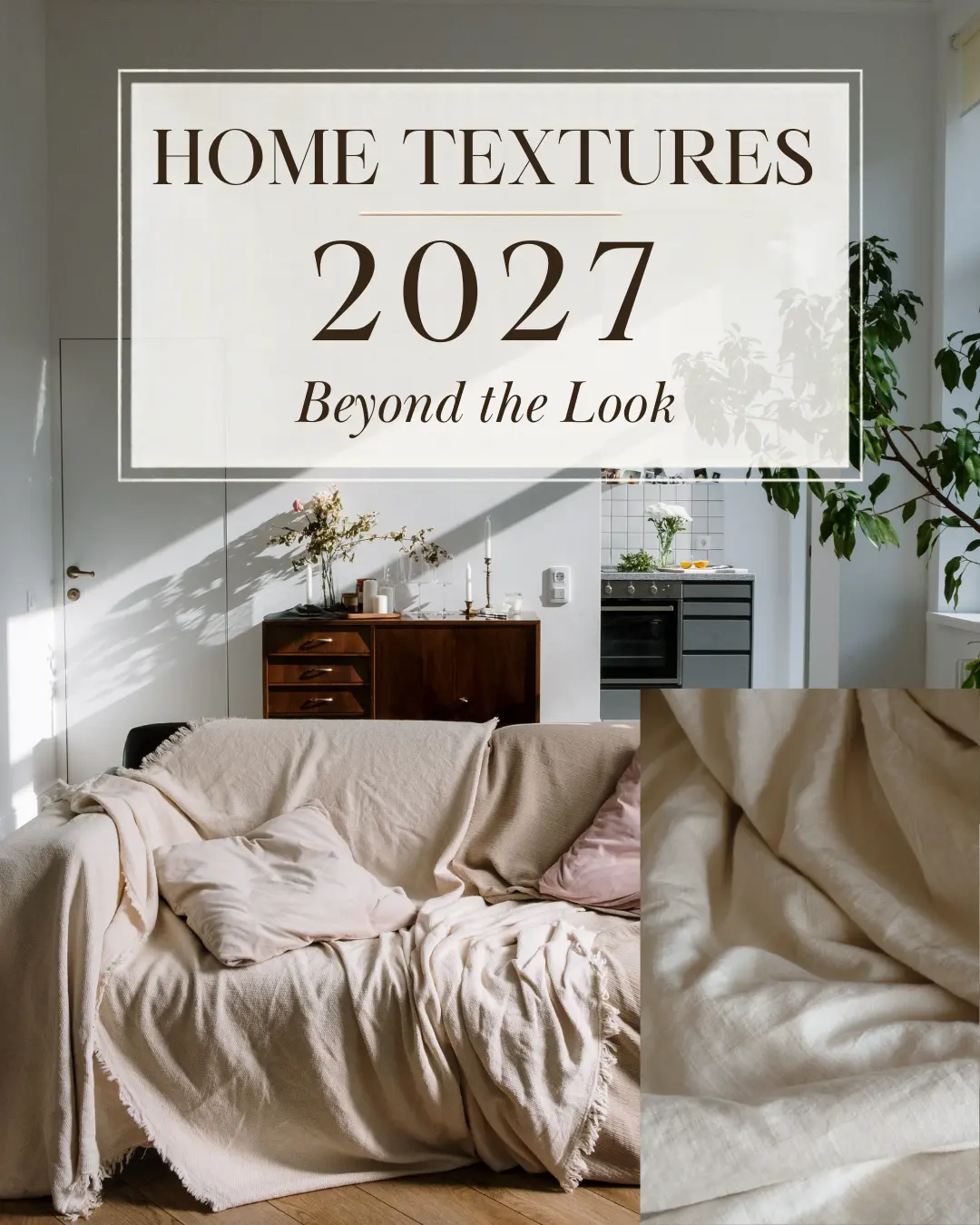
There’s usually something on the sofa that looks lovely but gets moved whenever someone actually wants to sit down. Maybe it’s a chunky woven cushion that feels a little rough against your arm. Maybe it’s a throw that looks wonderfully cozy folded over the back, but isn’t the one anyone reaches for when they’re cold.
Meanwhile, the softer cushion that gets used every evening might not be particularly interesting to look at. It’s just comfortable. Nobody thinks twice about pulling it closer.
I’ve been thinking about that difference while looking at the home textile trends being discussed for 2027.
There’s a lot of attention on texture right now, which isn’t exactly new. We’ve been seeing bouclé furniture, linen cushions, textured rugs and all sorts of interesting fabric finishes for years. What I find more interesting about the upcoming direction is the attention being paid to how those materials actually feel and function, rather than simply how they look in a room.
Table of Contents : 2027 home texture trends
Why are designers talking about texture for 2027?
In September 2026, Heimtextil released its 2027/28 trend forecast, developed with the design platform Alcova.
The overall theme is called Home-Maxxing, which sounds like another invitation to improve absolutely everything about your home. But the ideas behind it are more interesting than that.
One direction, called Hyper Presence, focuses on the physical experience of materials. How a fabric feels against your skin, how its surface changes with use, and how texture affects the atmosphere of a space. Another, Inside, Out, explores designs that make seams, fastenings and other construction details visible instead of hiding them.
The forecast also includes a more technical direction, so it isn’t suggesting that every home is about to become a soft, earthy retreat.
Trend Bible’s 2027 interiors research also highlights texture drenching: using tactile materials across walls, floors and furnishings to create a more immersive feeling.
These are forecasts, not a promise that everyone’s living room will look a certain way next year.
Still, I like the idea of paying attention to the things we touch every day. It makes me think less about collecting new cushions and more about the ones that already have a place in the room.
Not every beautiful texture needs to be comfortable to lean against
Think about the different fabrics you might have on one sofa.
There’s the upholstery itself, which you’re sitting against for an hour or two. A cushion behind your back. Another one that’s mainly there because its color or texture works with everything else. Maybe a throw over the arm. They don’t all need to feel the same.
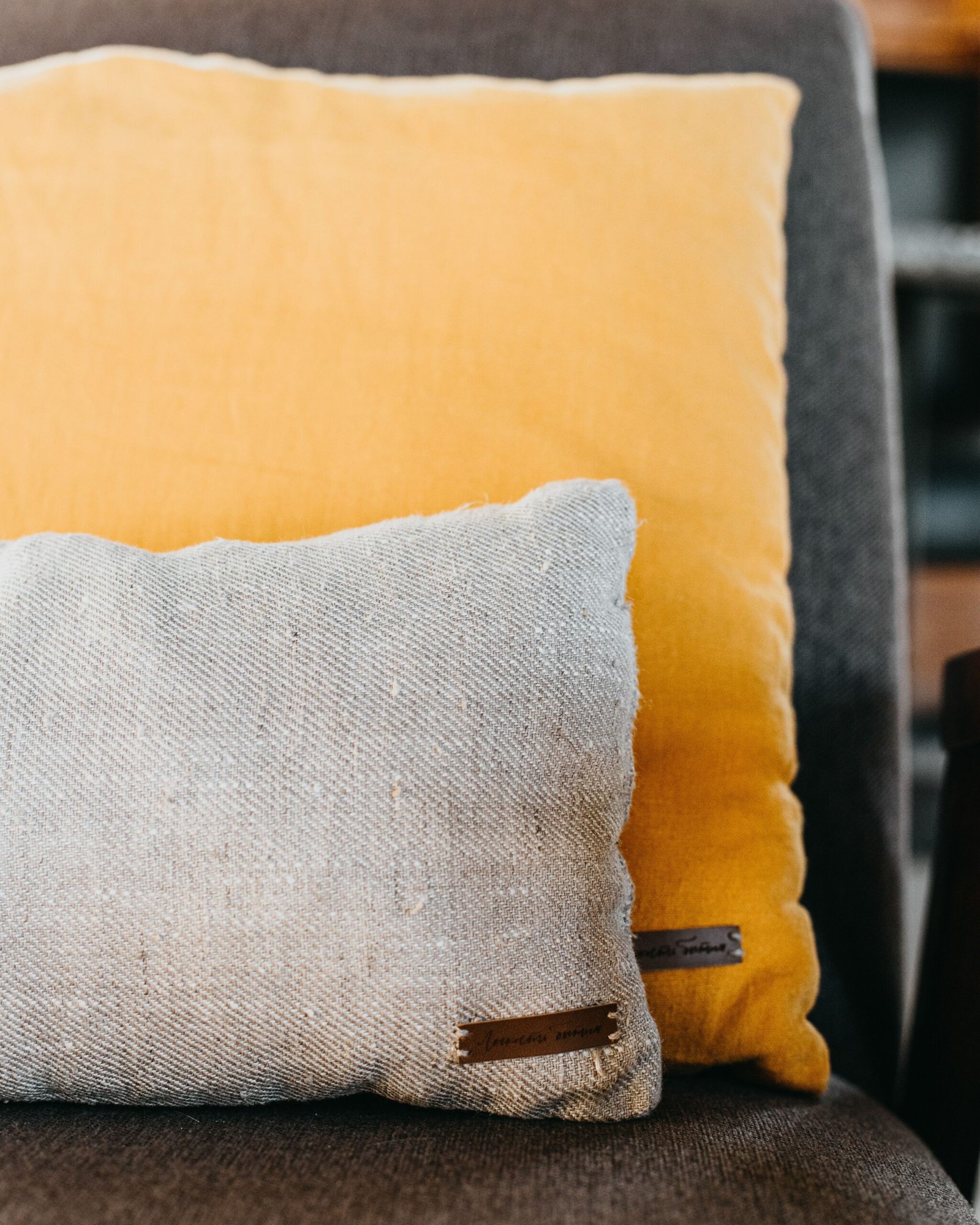
A heavily textured cushion could look great tucked into the corner, especially beside smoother upholstery. But if you like resting your head against that corner while watching television, the raised surface might be less appealing than it was when you first noticed it. Someone else might actually prefer it.
That’s why I wouldn’t automatically call one material comfortable and another uncomfortable just because of how they’re described. Even two fabrics sold under the same name can feel different depending on their weave, finish and construction.
And there’s a difference between a cushion you occasionally pick up and the fabric covering a chair you use every day.
You can have a room full of interesting textures without wanting every surface to feel interesting against your skin.
The seams and zippers are becoming part of the design
One of the more unusual ideas in the Heimtextil forecast is that designers may choose to show details that furniture and textiles have traditionally tried to conceal.
Visible stitching, straps, zippers and connections can become part of the appearance instead of something hidden underneath.
I can see the appeal of that, especially on a simple piece of furniture where an exposed seam adds a little character.
But there’s another question I’d have if that detail was supposed to make the product easier to use. Take a sofa with removable covers.
A visible zipper might suggest you can take the cover off, but it doesn’t tell you whether the fabric can go into the washing machine. It doesn’t tell you how difficult the cover will be to put back on, either.
And if you want to replace the cover eventually, you’d need to know whether compatible replacements are actually sold. Removable, washable and replaceable are three different things.
It’s a small distinction, but an important one if you’re choosing furniture for a living room that gets used constantly. A household with a dog jumping onto the sofa or children eating snacks nearby may care about those details far more than someone choosing an occasional chair for a quiet corner.
The zipper itself might look interesting. Whether it makes your life easier depends on what’s behind it.
What if the fabric is supposed to look a little worn?
Heimtextil’s Hyper Presence direction includes materials with creases, patina and visible signs of aging. Instead of treating every irregularity as something that needs correcting, it looks at the character materials develop over time.
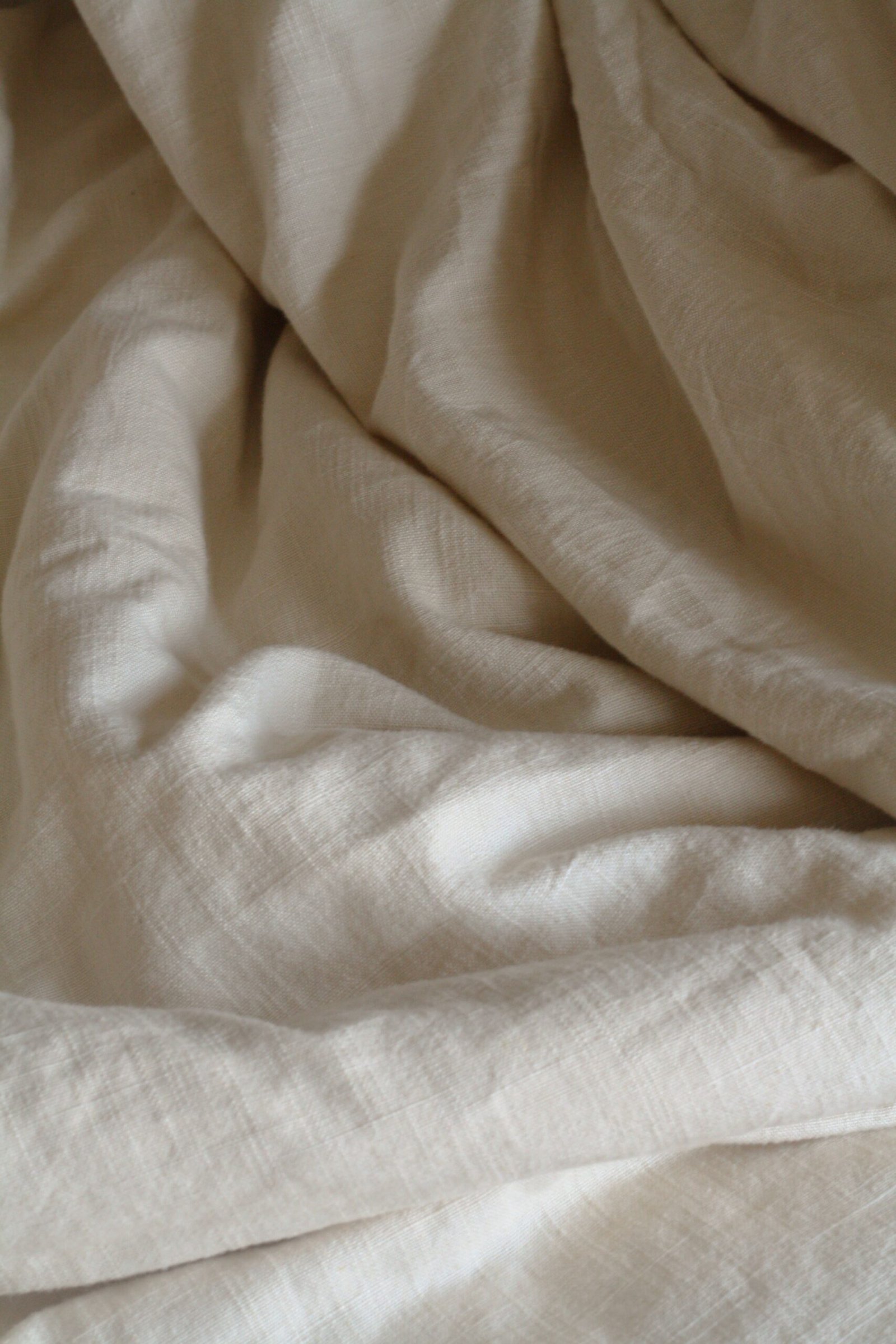
You can see why that might appeal to people who don’t want everything in their home to look brand new forever.
A slightly rumpled linen cushion can look perfectly at home in a relaxed living room. The same wrinkles might bother someone who likes a very neat, tailored finish.
There’s also a difference between the appearance of age and actual damage.
A fabric designed to have an uneven surface is one thing. Loose stitching, a broken fastening or a worn patch where the material is failing is another. Calling something naturally aged doesn’t tell you how durable it is.
Does more texture mean you need more stuff?
When you see a room filled with textured walls, layered rugs, chunky fabrics and beautiful upholstery, it’s tempting to think that achieving the same feeling means adding several new things.
Texture is already there, even in a fairly simple room. The weave of the sofa, the pile of a rug, the finish on the curtains, the difference between a smooth table and a soft chair.
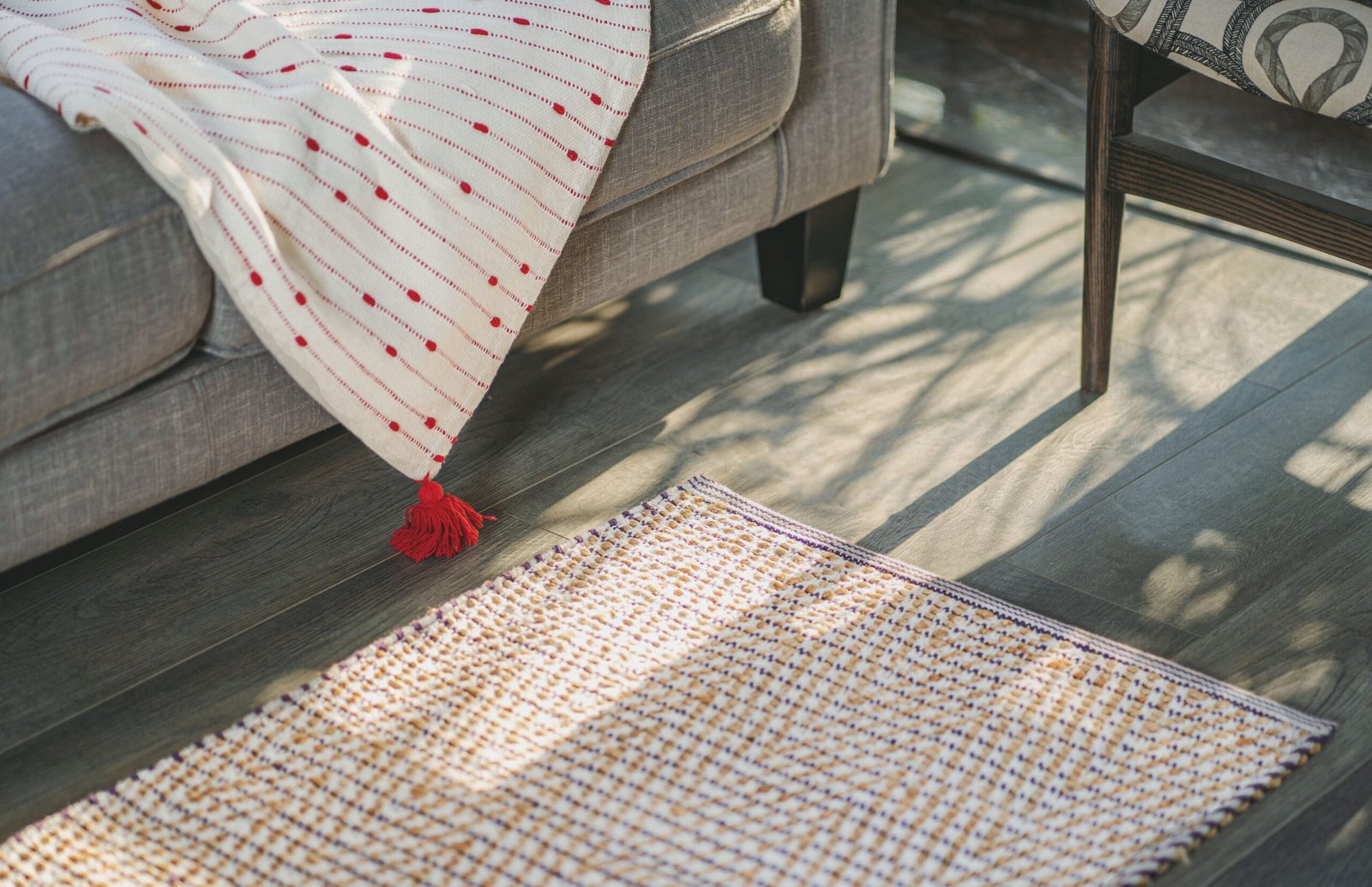
A strongly textured cushion might stand out more against a smooth sofa than among four other equally textured cushions. A soft throw might be the thing that makes a firmer chair somewhere you’d actually want to settle into with a book. And sometimes the room doesn’t need another layer at all.
And sometimes the room doesn’t need another layer at all. If it feels less cozy after dark, check the living room lighting before adding another throw or cushion.
If the sofa is comfortable, the curtains work, and the cushions are getting used rather than constantly rearranged, there’s no reason to change everything because a forecast says tactile interiors are becoming more interesting.
The 2027/28 research isn’t a shopping list.
What I like about it is the suggestion that a room can be appreciated for more than its finished appearance. The fabrics you reach for, the surfaces you enjoy touching, and even the way certain materials change with use all contribute to how that room feels.
And if that chunky cushion on the sofa is still the one everyone moves out of the way, maybe it can stay there looking lovely.